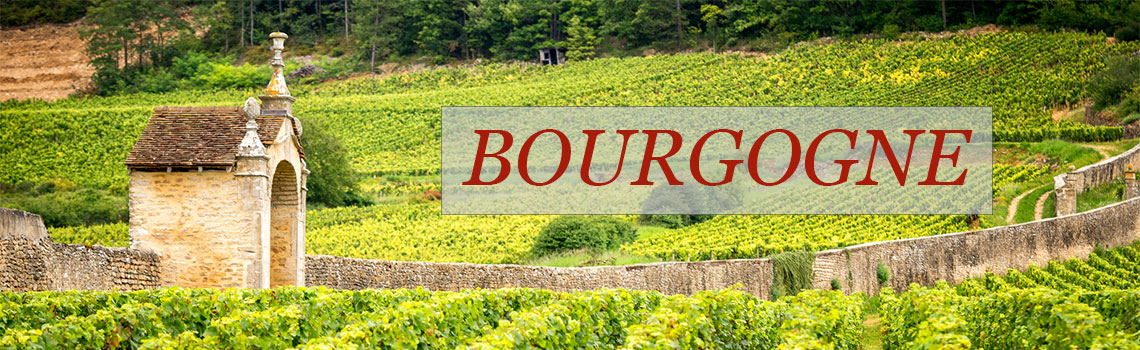
The Burgundy wine region is historically important as the birthplace of the concept of terroir, a philosophy dictating that a wine's character is inextricably linked to the specific plot of land where the grapes are grown. Winemaking in Burgundy dates back to the Romans, but it was medieval Benedictine and Cistercian monks who meticulously studied, cultivated, and demarcated individual vineyard plots (climats), documenting how different environmental factors affected the resulting wine. These efforts, combined with the influence of the powerful Dukes of Burgundy who promoted quality over quantity (even banning the high-yielding Gamay grape in favor of Pinot Noir), established the region's reputation for finesse and complexity. The French Revolution and subsequent Napoleonic inheritance laws led to the fragmentation of these large, contiguous vineyards into the myriad of small, privately-owned parcels that exist today, making wines from top vineyards rare, highly sought-after, and among the most expensive in the world.
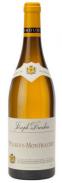
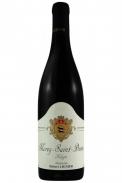
Our collection at Putnam & Vine spans the classics to lesser known up and coming values.